
Women Autonomy
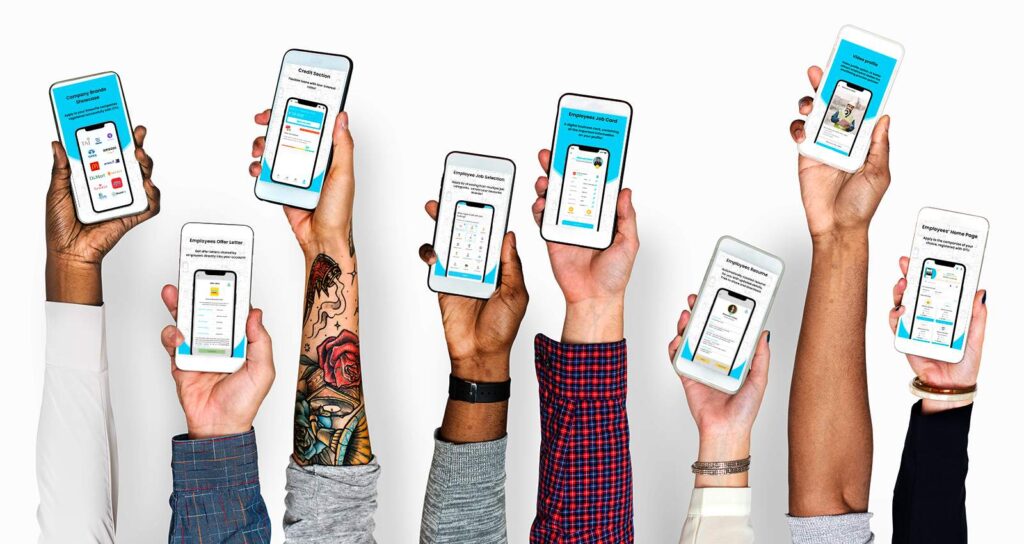
Women in rural India have benefited greatly from the increased access to cellphones because of the independence and autonomy it has given them. A large portion of the estimated 200 million illiterate women in rural India may now take advantage of smartphone technology and apps that allow them to communicate through the use of audio and visuals rather than text.

Health During Pregnancy
Birth-related fatalities in India were 190 per 100,000 in 2013, according to World Bank data. There is a shortage of adequate resources for rural women. An NGO named Sahayog Foundation created a smartphone-based application called “My Health, My Voice” to better the delivery of healthcare in India’s most populous state, Uttar Pradesh. Helping expectant mothers locate free public health care is the primary goal of an IVR system accessible through mobile device. Pregnant women can contact the dedicated helplines in their language of choice to report any problems they are experiencing.

Highlighting Entrepreneurship
Obstacles, such as illiteracy, family duties, geographical isolation, and a lack of knowledge about business practices, are common for women entrepreneurs in rural areas. As a result of the accessibility and affordability of smartphones, rural women are able to break free of traditional gender roles, find their voices, and support their families. Several groups, such as the Self-Employed Women’s Association and the Foundation for Occupation Development, have provided training and support for rural entrepreneurs by helping them use smartphones for business management.
Many farmers have taken their own lives due to years of crop failure and mounting debt. The widespread availability of smartphones has drastically reduced the frequency with which such incidents occur. Information about seed planting, crop protection, soil fertility, and other agricultural practices that were previously unavailable to farmers in rural areas is now widely available. Storage facilities can be better organized with the use of data on the frequency of rainfall as well as other weather-related destructions. Farmers can also benefit from smartphones because of the increased access to market information and direct customer service they provide. Agriculture-focused information and communication technology (ICT) initiatives, such as Mobile Harvest, are methods developed to help farmers improve their skills in the field by giving them access to instructional materials and advice.
Not only have certain people benefited from the widespread availability of mobile devices in rural places, but many more have benefited overall. For instance, phone calls between urban stores and wholesalers eliminate the need for the retailers to physically travel huge distances in search of supplies. If the store has any concerns about the products being delivered, the rural wholesaler can offer photos to ease those concerns.
Mobile Finance
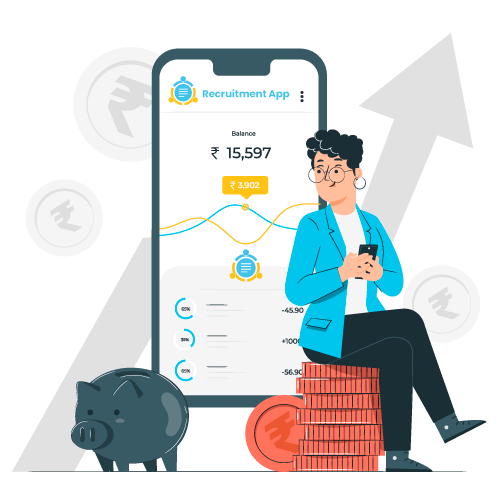
Since many rural residents now have cellphones, internet banking and payments have gained popularity. The ability to conduct business is now simpler for people living in remote areas. The government’s UPI (universal payment interface) and enterprises like Paytm, PhonePe, Google Pay, and the BHIM app also had significant impacts on the digitization of cash activities for rural residents. It is no longer necessary for workers in rural areas to travel to urban areas just to use banking services; instead, they can have their wages direct-deposited into bank accounts and send money home to their relatives via online transfers. The villagers now have the option to pay their utility bills and cell phone bills online. As e-commerce gains popularity, people in rural areas are given access to resources that were once reserved for those living in major cities.


Leave a reply