Opportunities Rural India
The urban and rural populations of India have long been separated in the minds of our poets, philosophers, and politicians. However, there is a vast chasm between the two in regards to culture, economy, science, and access to resources, despite the fact that they are both essential to the nation. However, owing to a tech transformation brewing at the foundation of our country, the technological gap is narrowing. Study results from 2022 claim that internet access in rural areas of India is 20% higher than in metropolitan areas.
Access to the Internet has been expanded to rural areas of our country because to the proliferation of smartphones, UPI [Unified Payments Interface], and government programmes like the Pradhan MantriGramin Digital SakshartaAbhiyan. This allows latent human potential to emerge and flourish. Through the use of video conferencing and other technological platforms, many corporations, NGOs, and educational startups are able to reach people in rural India with programs that improve their employability, health and nutrition, and sense of community through the formation of self-help groups (SHGs).
Several important industries are providing hope for a brighter future for people living in rural areas.
Education
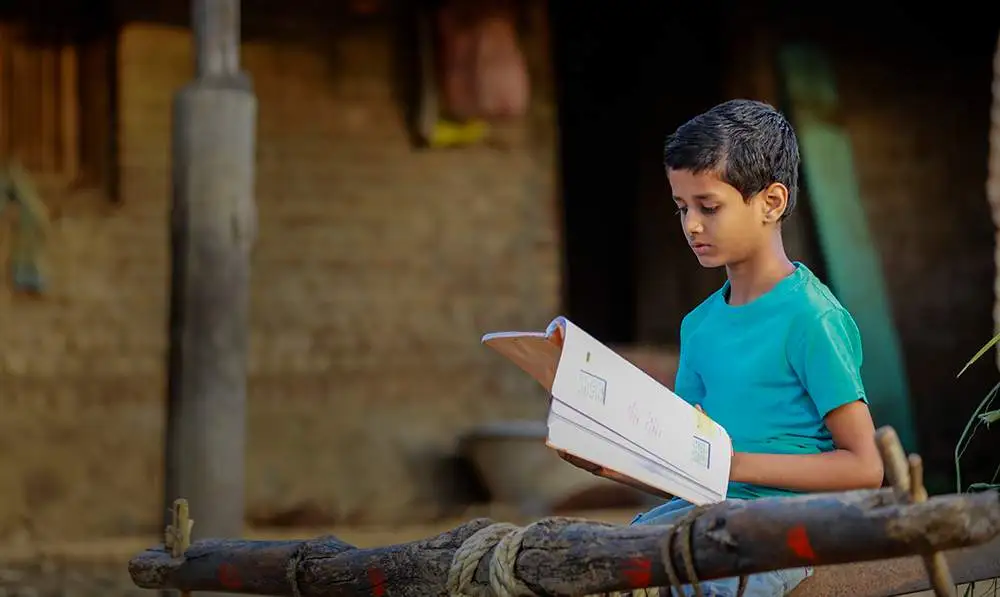
The ed tech industry in India is growing rapidly. The inspiring narrative of Maharashtra, India, government educator and recipient of the $1 million Global Teacher Prize, RanjitsinhDisale, is very moving. By embedding audio poems, video lectures, assignments, and much more into QR codes in textbooks, Disale revolutionized the use of QR codes in education and provided students with access to an interactive classroom environment, particularly for girls on days they missed school. This led to an imminent announcement from the Ministry of Education that all NCERT manuals would incorporate QR codes. Like in China, the Indian government has made available free digital e-learning portals like Diksha and E-Pathshala. Diksha provides educators, students, and parents with interesting educational content that is aligned with state standards. The NCERT-created E-Pathshala does the same thing, providing online access to a library filled with digital versions of course materials such as books, videos, and journals. Twelve to fifteen Indian languages are supported across a variety of apps that provide video explanations, e-books, and interactive classes. There hasn’t been a bigger change in the direction of better and more accessible education.

Health
In all likelihood, by 2033, the health technology business will be worth $50 billion (RBSA Advisors Report). This industry makes use of non-governmental organizations (NGOs), businesses, and government programs through a skilled group of ASHA employees. Over five million tele-consultations were made possible thanks to the national browser-based program eSanjeevani, which was a godsend during the pandemic, especially in rural areas. Anyone with an internet connection can visit the eSanjeevani OPD for voice and video consultations with doctors and prescription refills. The Since the epidemic, hospitals have been transformed to Covid-19 care centers, and a few NGOs have created effective virtual clinics to cater to maternity and pediatric care. Additionally, patients in rural areas can now go beyond their villages to acquire necessary medicines thanks to the digitization of formerly offline pharmacies by innovative new businesses.
Agriculture
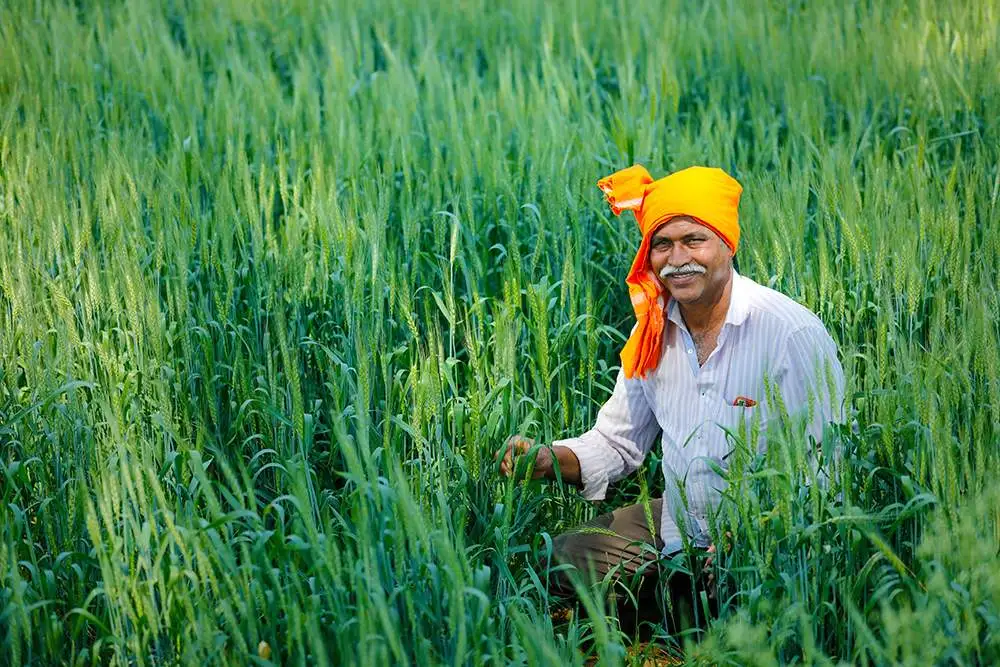
The Food and Agriculture Organization estimates that 70% of rural Indian households rely on farming for their livelihood (FAO). So it’s no surprise that farmers, governments, and private entrepreneurs are all showing an interest in agritech. The e-Sahamathi app developed by the government of Karnataka is one example. With the support of the National Informatics Centre, the e-governance division created the e-Sahamati mobile application (NIC). This app requires farmers to provide the aggregator access to their agricultural data, and the aggregator then gives that information to the retailer, including the farmer’s name, crop, land holdings, etc. In essence, it would provide farmers the ability to market their product and sell it directly to retail chains, providing them more leverage in negotiating a reasonable price for their goods. Several new companies have launched equivalent markets. Soil testing, microfinancing, weather forecasts, and other similar services are just a few examples of the kinds of comprehensive solutions that startups are building AI-enabled technologies and apps to deliver.
Financial Empowerment
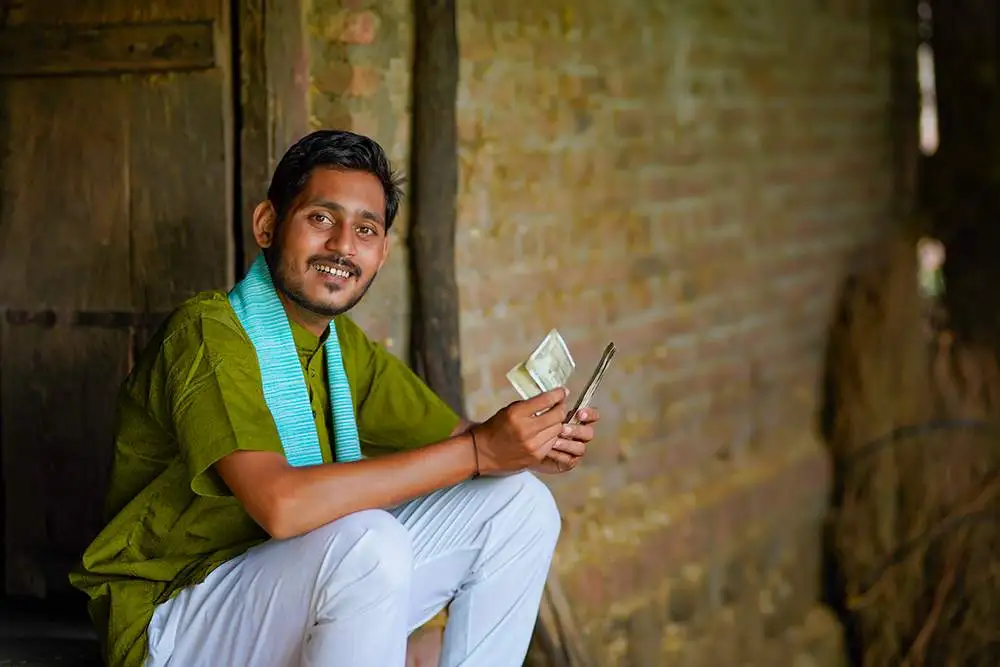
The e-Shram portal created by the Ministry of Labor and Employment is a great example of a digital upgrading because it is a database containing of unorganised workers. E-Shram is the first system of its kind, providing construction and migrant workers with streamlined access to available jobs. In addition, the ministry states that the Shramik Card is intended to do is provide social security for workers by providing a pension to those who have it after the retirement age of 60 years old, in addition to insurance benefits. More than four hundred different professions have been registered on the website, as revealed by the Union’s labor minister. Given the lack of oversight in these marketplaces, this is a fantastic approach to streamline the search for and hiring of qualified workers. Beyond only providing more jobs, the rise of digital technologies has opened up new avenues for rural India’s economy by including its residents in the supply and demand sides of the product and service value chains. The Jan Dhan Account, Aadhaar, and mobile connectivity initiatives, or JAM trinity, as they are commonly known, played a significant role in this development by increasing financial inclusion and promoting more accountability in financial dealings.
Women Empowerment
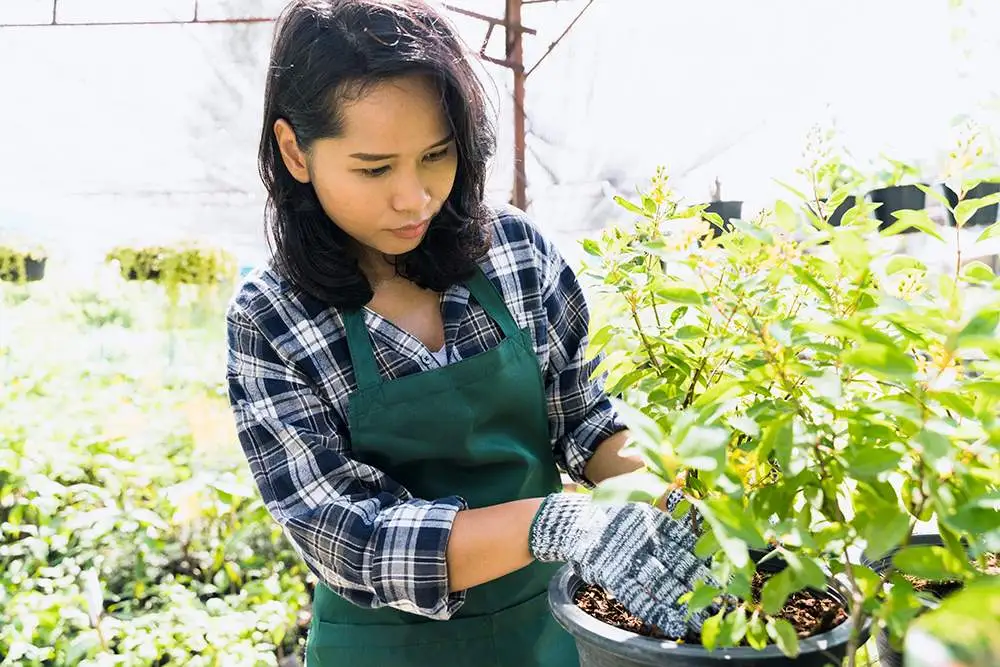
Our work in rural areas has shown us that our women are strong and capable of bringing change if given the chance. In the village of Angrekond in the Indian state of Raigad, for instance, 30 women have formed self-help organizations with the support of digital and financial literacy initiatives. They started off as housewives but have since gone on to become successful businesswomen. In an effort to improve the lives of people in rural areas, many organizations are collaborating with tech firms. By connecting people in underserved areas to resources like YouTube and messaging applications, these networks are helping people develop the business and management chops to start their own ventures.
McKinsey estimates that by 2025, the digital economy will have created 60 million jobs, the majority of which will require some level of digital literacy. With the use of technology, the two Indias can compete on an even playing field, and underserved areas can have access to previously inaccessible resources. We aim to see a digitally advanced, empowered, and inclusive India by the time we reach our next national milestone, 100 years of independence, where rural areas keep their own identities while being strongly connected to urban centers and the planet.


Leave a reply